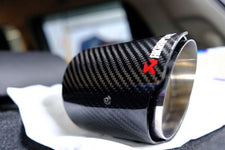

Many BMW exhaust tips can be installed without welding if the inlet size, clamp structure, and original pipe shape are suitable. This is why clamp-on exhaust tips are popular with BMW owners who want a cleaner rear look without cutting or welding the exhaust system.
A no-weld installation is easier, but it still needs careful measurement. If the pipe size is wrong or the tip does not have enough clamping area, the exhaust tip may become loose, sit unevenly, or rattle after driving.
This guide explains the basic steps to install BMW exhaust tips without welding.
You can browse Kipalm BMW Exhaust Tips and Kipalm Adjustable Tips before choosing a style.
Before You Start
Let the exhaust cool completely before touching the pipe. Exhaust parts can stay hot after driving.
Prepare these tools:
- Caliper or ruler
- Gloves
- Microfiber cloth
- Mild cleaner
- Screwdriver or wrench
- Flashlight
- Tape measure
- Rear photos for reference
If your original tip is welded, damaged, or difficult to remove, ask a professional installer. This guide is mainly for clamp-on replacement or decorative exhaust tip installation.
Step 1: Confirm Your BMW Model and Rear Layout
BMW exhaust tips vary by model, year, chassis, and trim. A product that fits one BMW model may not fit another, even if the rear style looks similar.
Check:
- Model and year
- Chassis code if known
- Original exhaust layout
- Left/right pipe position
- Rear diffuser type
- Bumper opening size
- Whether the car has been modified before
For vehicle identification reference, NHTSA provides a VIN Decoder.
However, you should still measure the actual pipe before ordering because previous exhaust work or bumper changes can affect fitment.
Step 2: Measure the Original Pipe
Measure the outside diameter of the original exhaust pipe. This number helps you choose the correct inlet size.
Do not guess. Do not only rely on the model name. Measure the pipe where the new tip will attach.
If the pipe is round, measure across the widest point. If it is oval, measure both width and height. If the pipe points downward or has an unusual shape, take photos before ordering.
A clamp-on tip needs a close size match. If the inlet is too large, it may not tighten securely. If it is too small, it cannot slide onto the pipe.
Step 3: Remove the Old Exhaust Tip
Some BMW exhaust tips can be pulled off after loosening the clamp. Others may be stuck because of dirt, heat, age, or previous installation.
Do not force the old tip aggressively. If it does not move, check for hidden screws, clips, or weld marks.
A safe removal process usually looks like this:
- Let the exhaust cool.
- Check for screws or clamps.
- Loosen the fastening parts.
- Twist gently if the tip is stuck.
- Clean the exposed pipe.
- Inspect the pipe for rust or damage.
If the old tip was welded, a no-weld replacement may not be simple. Professional cutting or adjustment may be needed.
Step 4: Test-Fit the New Tip
Before tightening anything, slide the new tip onto the pipe and check how it sits.
Look from:
- Straight behind the car
- Left rear corner
- Right rear corner
- Low angle near the bumper
- Side view
The tip should not touch the bumper or diffuser. It should not sit too deep or stick out too far. If you are installing a pair, both sides should match.
This step is very important for carbon fiber BMW exhaust tips because the outer shell should have enough clearance from plastic trim.
Step 5: Adjust Depth and Angle
Depth and angle decide whether the installation looks clean.
A tip that is slightly misaligned can make the rear look uneven. This is especially obvious on BMW cars with symmetrical rear bumpers.
Check these points:
- Is the outlet centered in the bumper opening?
- Are left and right tips at the same depth?
- Is the top clearance even?
- Is the tip pointing straight?
- Is the carbon shell away from the diffuser edge?
- Does the outlet follow the bumper line?
If the pipe angle is not ideal, adjustable exhaust tips may help. You can compare Kipalm Adjustable Tips.
Step 6: Tighten the Clamp
Once the position looks right, tighten the clamp evenly.
Do not tighten one side too much first. Uneven tightening can pull the tip off-center. Tighten gradually and check the position again.
After tightening, hold the tip by hand and gently check for movement. It should not rotate, slide, or shake.
Then start the car and listen for vibration. Do not touch the exhaust while it is hot.
Step 7: Recheck After Driving
A short road test is useful. After the exhaust cools again, check the clamp and position.
Look for:
- Movement
- Rattle
- Bumper contact
- Uneven left-right depth
- Soot marks near plastic trim
- Loose screws
If the tip moved after driving, the inlet size, clamp pressure, or pipe contact area may not be correct.
Legal and Emissions Reminder
Decorative exhaust tips are different from removing or bypassing emissions-related parts. Avoid modifications that affect catalytic converters, oxygen sensors, mufflers, or emissions control systems unless local rules and professional guidance allow it.
EPA provides information about aftermarket defeat devices and tampering.
For a normal no-weld tip upgrade, keep the work focused on the visible outlet and fitment.
Final Thoughts
Installing BMW exhaust tips without welding is possible when the tip is designed for clamp-on installation and the original pipe is suitable. The key is not force. The key is measurement, dry-fitting, alignment, and careful tightening.
Before ordering, confirm your BMW model, pipe size, bumper opening, outlet style, and installation method. If you are unsure, send photos and measurements to Kipalm Contact Us.
A clean no-weld installation should look natural, sit evenly, and stay firm after driving.
FAQ
Q1: Can I install BMW exhaust tips without welding?
Yes, if the product is clamp-on and the pipe size matches correctly.
Q2: What is the most important measurement?
The outside diameter of the original exhaust pipe is the first measurement to check.
Q3: Do I need professional installation?
Not always. But if the old tip is welded, rusted, or difficult to remove, a workshop is safer.
Q4: Can adjustable tips help BMW fitment?
Yes. They can help with angle and final alignment when the pipe position is not perfect.
Q5: Where can I ask for fitment help?
Contact Kipalm with rear photos and pipe measurements.